The Zika virus, once a relatively obscure pathogen, emerged into the global spotlight as a significant public health concern due to its devastating link with severe birth defects. For expectant parents, understanding the risks associated with Zika Virus Gravid is paramount. This comprehensive guide delves into how Zika affects pregnancy, the specific fetal risks, and most notably, its connection to microcephaly, offering essential insights and preventive measures.
Understanding Zika: Transmission and Symptoms
Zika fever is caused by a virus primarily transmitted by certain species of mosquitoes, particularly the Aedes aegypti mosquito, much like diseases such as malaria or dengue fever. While its recent notoriety stems from outbreaks in South and Central America, the virus has been present in various parts of the world for decades.
How Zika Spreads
The primary mode of Zika transmission is through the bite of an infected mosquito. These mosquitoes are most active during the day, making constant protection crucial. However, the virus's ability to spread beyond mosquito vectors is what makes it particularly concerning for pregnant individuals:
- Mosquito Bites: The most common route. An infected mosquito bites a person, and the virus enters their bloodstream.
- Sexual Contact: Zika can be transmitted from an infected person to their partner during sex, even if the infected person has no symptoms. This can occur through vaginal, anal, or oral sex, or sharing sex toys.
- Mother-to-Fetus Transmission: Critically, if a pregnant woman contracts Zika, the virus can pass from her to her developing fetus. This vertical transmission is the root cause of the severe birth defects discussed below.
- Blood Transfusions and Needle Sticks: Though less common, transmission through contact with infected blood (e.g., via transfusions or shared needles) is also possible.
It's important to note that the specific mosquitoes that carry the Zika virus are not typically found in Northern European countries, meaning there is generally no risk of local transmission in these regions, only imported cases from travelers.
Recognizing the Signs (or Lack thereof)
For most individuals, including pregnant women, Zika symptoms are often mild or even non-existent. In fact, approximately 80% of those infected may experience no symptoms at all. When symptoms do appear, they typically resemble a mild flu-like illness, including:
- Fever
- Rash (often appearing as small red spots)
- Joint pain (arthralgia)
- Muscle pain (myalgia)
- Headache
- Conjunctivitis (red eyes or "pink eye")
These symptoms usually begin 3-7 days after infection and can last for several days to a week. While the illness itself is usually benign for the infected adult, the lack of severe maternal symptoms can be deceptively reassuring, masking a potentially devastating impact on the unborn child.
The Devastating Link: Zika Virus Gravid and Microcephaly
The most alarming aspect of the Zika virus, particularly in the context of Zika Virus Gravid infections, is its profound and detrimental effect on fetal development. The strong suspicion of severe fetal damage, particularly neurological conditions, became stark reality during the significant outbreaks in South America.
What is Microcephaly?
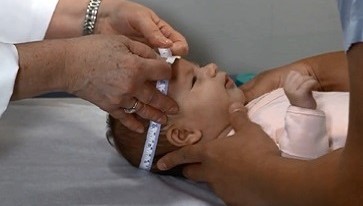
Microcephaly is a severe neurological condition in newborns characterized by a smaller-than-normal head circumference. This reduced head size is typically a direct result of the brain developing abnormally or failing to grow properly during pregnancy. Children born with microcephaly often face a range of challenges:
- Intellectual Impairment: Many children with microcephaly experience varying degrees of developmental delays and cognitive disabilities.
- Neurological Issues: Seizures, problems with balance and coordination, and feeding difficulties are common.
- Reduced Lifespan: In severe cases, the brain's underdevelopment can lead to a significantly reduced quality of life and shorter lifespan.
The Brazilian Outbreak: A Stark Warning
The undeniable link between Zika infection during pregnancy and microcephaly came to light dramatically in Brazil. Prior to 2015, the annual number of microcephaly cases in Brazil was around 150. However, following a widespread Zika outbreak that began in late 2015, the number of reported microcephaly cases surged exponentially, with over 4,000 babies born with the condition in just a few months. This unprecedented increase provided compelling evidence of a direct causal relationship, leading global health organizations to declare a public health emergency.
Beyond Microcephaly: Other Fetal Complications
While microcephaly is the most recognized and severe outcome, Zika infection during pregnancy can lead to a broader range of birth defects and developmental problems collectively known as Congenital Zika Syndrome (CZS). These can include:
- Severe microcephaly with partially collapsed skull
- Brain abnormalities, including calcium deposits and damage to specific brain structures
- Eye defects, such as retinal damage or optic nerve issues
- Joint abnormalities, like clubfoot or limited range of motion
- Hearing loss
- Growth restriction
The full spectrum of challenges faced by children affected by CZS is still being understood, underscoring the severe impact of Zika on unborn babies. You can learn more about these broader implications in our article: Beyond Mild Symptoms: The Severe Impact of Zika on Unborn Babies.
Protecting the Unborn: Prevention and Precautions for Expectant Mothers
Given the severe risks and the current absence of a vaccine or specific cure for Zika, prevention is the most effective strategy for pregnant women and those planning to become pregnant. Public health bodies worldwide have issued strong advisories to protect this vulnerable group.
Travel Advisories for Pregnant Women
Pregnant women or those trying to conceive are strongly advised to consider postponing travel to regions with active Zika virus transmission. Numerous countries, particularly in South and Central America, the Caribbean, parts of Southeast Asia, and some Pacific islands, have been identified as risk areas. Examples of countries with active transmission include:
- Brazil, Colombia, El Salvador, French Guiana, Honduras, Mexico, Panama, Suriname, Venezuela, Martinique, Cape Verde (West Africa), Samoa, and Solomon Islands (Oceania).
- Additionally, scattered cases have been reported in Barbados, Bolivia, Guadeloupe, Ecuador, Guatemala, Guyana, Haiti, Paraguay, Puerto Rico, and Saint Martin.
If postponing travel is not possible, it is absolutely essential to consult with a healthcare provider both before departing and upon returning. For a more detailed guide on travel considerations, refer to our comprehensive article: Pregnant? Zika Travel Advice & Essential Protection Strategies.
Essential Mosquito Bite Prevention
Protection against mosquito bites is paramount in affected areas. Here are key strategies:
- Wear Protective Clothing: Opt for long-sleeved shirts, long trousers, and socks to cover as much exposed skin as possible.
- Use Mosquito Repellent: Apply insect repellents containing DEET, picaridin, IR3535, oil of lemon eucalyptus, or para-menthane-diol. Always follow product instructions, and reapply frequently, especially after sweating. Remember, mosquito activity for Zika-carrying mosquitoes is often during the daytime.
- Sleep Under Mosquito Nets: If sleeping in areas without screened windows or air conditioning, use a permethrin-treated bed net.
- Control Indoor Mosquitoes: Use insecticide sprays in your living quarters and ensure windows and doors are screened.
- Eliminate Breeding Sites: Empty and clean containers that can hold water (e.g., flowerpots, tires, buckets) to remove mosquito breeding grounds.
Preventing Sexual Transmission
To prevent sexual transmission of the Zika virus, particularly if one partner has traveled to a Zika-affected area or has been diagnosed with Zika:
- Use condoms consistently and correctly during any sexual activity (vaginal, anal, or oral).
- Consider abstaining from sex during pregnancy if one partner has been exposed to Zika.
When to Consult a Healthcare Provider
If you are pregnant or planning a pregnancy and have traveled to a Zika-affected region, or if you develop symptoms consistent with Zika, seek immediate medical advice. Your doctor can assess your risk, perform diagnostic tests, and provide guidance on monitoring your pregnancy.
The Global Health Perspective and Future Outlook
The Zika crisis highlighted a critical vulnerability in global health, demonstrating how a seemingly mild virus could pose a grave threat to fetal development. The unique danger of Zika lies in its ability to cause severe, lifelong conditions in unborn babies, often without the mother experiencing significant illness. This makes awareness and rigorous prevention strategies all the more crucial.
Despite intensive research efforts, there is still no vaccine or specific antiviral treatment for Zika. Management focuses on supportive care for symptoms and, for affected infants, early intervention and ongoing medical support for their developmental needs. The global health community continues to monitor Zika activity, develop better diagnostic tools, and work towards potential vaccines, but for now, vigilance and prevention remain our most powerful tools against the risks of Zika Virus Gravid.
The Zika virus remains a serious concern for pregnant women and those planning a family, especially for individuals residing in or traveling to endemic regions. The devastating link to microcephaly and other severe birth defects underscores the importance of stringent preventive measures. By understanding transmission routes, recognizing symptoms (or their absence), and diligently following public health advisories, expectant parents can significantly reduce their risk and protect the health of their unborn children. Always prioritize consultation with healthcare professionals for personalized advice and up-to-date information.