Beyond Mild Symptoms: The Severe Impact of Zika on Unborn Babies
While Zika virus often presents as a fleeting, mild illness in adults, its true danger emerges when it intersects with pregnancy. For expectant mothers, a Zika Virus Gravid infection can lead to profound and devastating consequences for their unborn babies, far beyond the 'flu-like' symptoms experienced by the mother. This article delves into the severe impact of Zika on fetal development, highlighting the critical importance of awareness and prevention for pregnant women worldwide.
Understanding Zika: Transmission, Symptoms, and the Silent Threat
The Zika virus, a pathogen primarily transmitted through the bite of infected Aedes mosquitoes – the same vectors responsible for diseases like dengue and chikungunya – has gained global notoriety not for its typical mild presentation in adults, but for its insidious threat to the most vulnerable among us: unborn children. While the image of a mosquito bite is often the first association, it's crucial to understand the multifaceted ways Zika can spread. Beyond mosquito transmission, the virus can also be passed through sexual contact with an infected partner, via blood transfusions, and, most critically, from a pregnant woman to her developing fetus.
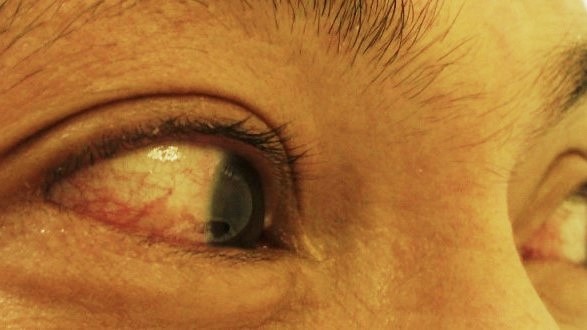
For the majority of individuals, an encounter with Zika might go entirely unnoticed. Approximately 80% of those infected experience no symptoms whatsoever, making it a silent and easily overlooked threat. For the remaining 20%, symptoms are typically mild and transient, often described as a flu-like illness. These can include a low-grade fever, skin rash, joint pain, muscle aches, headache, and conjunctivitis (red eyes). These symptoms usually manifest 3 to 7 days after infection and typically resolve within a week. The benign nature of these adult symptoms stands in stark contrast to the catastrophic damage the virus can inflict on a developing fetus, a critical distinction that underscores the urgency of understanding Zika Virus Gravid implications.
The Devastating Link: Zika Virus and Congenital Anomalies
The initial suspicion regarding a link between Zika infection in pregnant women and severe birth defects dramatically escalated into a global health emergency following significant outbreaks, particularly in South America. Brazil, for instance, witnessed an alarming surge in microcephaly cases among newborns starting in late 2015. Prior to this outbreak, Brazil reported around 150 cases of microcephaly annually. Post-outbreak, this number soared to over 4,000 cases in a short period, creating an undeniable correlation that transformed suspicion into a confirmed, grave concern about the impact of Zika Virus Gravid infections.
The virus's ability to cross the placental barrier and directly infect the fetal brain is at the heart of its devastating effects. This can disrupt critical stages of neural development, leading to a range of severe neurological conditions collectively known as Congenital Zika Syndrome (CZS). CZS encompasses more than just microcephaly; it's a spectrum of birth defects that can include:
- Severe microcephaly with a partially collapsed skull
- Brain damage, including calcifications and reduced brain tissue
- Eye abnormalities (e.g., macular scarring, optic nerve hypoplasia)
- Hearing deficits
- Congenital contractures (e.g., clubfoot or arthrogryposis)
- Hypertonia (increased muscle tone)
These conditions often result in significant intellectual disability, developmental delays, and a reduced quality of life for affected children, requiring extensive lifelong care and support. For a deeper understanding of the specific risks and impacts, read our detailed article: Zika Virus & Pregnancy: Fetal Risks and Microcephaly Explained.
Microcephaly: A Hallmark of Congenital Zika Syndrome
While CZS encompasses a broad range of issues, microcephaly has become the most recognized and devastating consequence of Zika Virus Gravid infection. Microcephaly is a neurological condition characterized by a smaller-than-normal head circumference in a newborn, typically resulting from abnormal brain development during the fetal stage. In severe cases linked to Zika, the skull may even appear partially collapsed due to the significant lack of brain tissue. This isn't merely a cosmetic concern; it signifies profound and irreversible damage to the developing brain.
Children born with Zika-related microcephaly often face a challenging prognosis. They commonly exhibit significant intellectual impairment, ranging from moderate to severe, alongside a myriad of other neurological problems such as seizures, feeding difficulties, and motor skill deficits. Their average lifespan can also be significantly reduced due to the severity of their underlying neurological conditions. The emotional, physical, and financial toll on families caring for these children is immense, underscoring the long-term societal impact of Zika's reach.
Protecting Expectant Mothers: Prevention and Travel Advice
Given the severe and irreversible nature of the harm Zika can inflict during pregnancy, prevention is paramount. Health authorities globally, particularly in countries affected by outbreaks, have issued strong recommendations for women of childbearing age, urging them to consider delaying pregnancy if they reside in or plan to travel to Zika-affected regions. This proactive stance reflects the profound risk to future generations. For expectant mothers, or those planning to become pregnant, the advice is even more stringent.
The primary line of defense against Zika Virus Gravid infection involves rigorous protection against mosquito bites, especially in regions where the virus is active. This includes:
- Wearing protective clothing: Opt for long-sleeved shirts, long trousers, and socks to minimize exposed skin, even during the day.
- Using effective insect repellent: Apply EPA-registered insect repellents containing DEET, picaridin, IR3535, oil of lemon eucalyptus (OLE), para-menthane-diol (PMD), or 2-undecanone. Always follow product instructions and reapply as needed, especially after sweating.
- Sleeping under mosquito nets: If sleeping in areas without screened windows or air conditioning, use a permethrin-treated mosquito net.
- Eliminating breeding grounds: Remove standing water around homes (e.g., in flower pots, buckets, old tires) where mosquitoes lay eggs.
- Using insecticides: In some cases, spraying living areas with insecticides can help reduce mosquito populations.
Furthermore, understanding the geographical risk is crucial. While Zika cases have been reported in various parts of the world due to returning travelers, the localized spread of the virus is limited to areas where the Aedes mosquito thrives. Regions like Northern Europe, for instance, are generally considered safe from local transmission due to the absence of this specific mosquito species. However, for pregnant women considering travel, national health institutes universally recommend postponing non-essential travel to countries with active Zika transmission. If travel cannot be deferred, a thorough consultation with a healthcare provider both before and after the trip is essential to assess risks and ensure appropriate monitoring. For comprehensive guidance on safe travel and protection strategies during pregnancy, consult our article: Pregnant? Zika Travel Advice & Essential Protection Strategies.
Beyond mosquito protection, awareness of sexual transmission is also vital. If a partner has traveled to a Zika-affected area, using condoms consistently or abstaining from sex for a recommended period can prevent sexual transmission of the virus to a pregnant woman.
Navigating Pregnancy in a Zika-Affected World
For women who are pregnant or considering pregnancy, proactive consultation with healthcare providers is paramount, especially if they reside in or plan to visit regions with ongoing Zika transmission. Open communication with doctors allows for personalized risk assessments, necessary screenings, and the development of a tailored protection plan. This collaborative approach ensures that expectant mothers receive the most current and relevant advice, empowering them to make informed decisions that safeguard their health and the well-being of their unborn children.
The journey from a mild, often unnoticed mosquito bite to severe, life-altering birth defects for an unborn child is the stark reality of the Zika virus. The profound impact of Zika Virus Gravid infection on fetal development, particularly the devastating consequences of microcephaly and other components of Congenital Zika Syndrome, serves as a powerful reminder of nature's delicate balance and the critical vulnerability of early life. While there is currently no cure or vaccine for Zika, heightened awareness, stringent preventive measures, and informed decision-making remain our strongest defenses. Protecting expectant mothers is not just about safeguarding their health, but about ensuring the healthy future of generations to come.